


Blogs
Understanding Static Tool Interfaces For CNC Turning Centers, Lathes, And Mill-Turn Machines
Listen to Blog
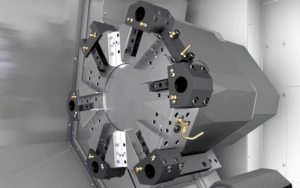 Understanding static tool interfaces is essential for achieving precision and stability in CNC turning, lathe, and mill-turn operations. The interface between the static tool and the machine plays a critical role in maintaining rigidity, ensuring accuracy, and optimizing overall machining performance. From standardized PSC polygonal connections to traditional VDI systems and bolt-mounted configurations, each interface type offers unique advantages depending on the application and machine builder. By selecting the right static tool interface, manufacturers can maximize productivity, reduce tool wear, and maintain consistent machining results.
Static tools are available in 3 types of interfaces as well as options for coolant through, adjustable, and multi-output. Lathe static tools are offered for a multitude of machine builders.
Static Tools – PSC Polygonal
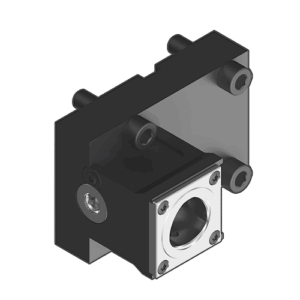 As precisely defined per ISO 26623, the Polygon Shank Coupling (PSC) interface features a unique tapered polygon which serves as a main element in torque transmitting, centering, and clamping. With double contact on both face and taper, as well as great cross-sectional strength, this interface is unrivaled in terms of high clamping force and bending stiffness.
Static tools with PSC polygonal connections offer several advantages:
- Precision: The polygonal connection provides a tight and accurate fit between the tool and the machine, minimizing tool runout and enhancing machining precision.
- Stability: The secure connection ensures that the static tool remains stable during machining operations, reducing vibrations and improving surface finish on machined parts.
- Compatibility: PSC polygonal connections are standardized, making them compatible with a wide range of CNC machining centers that support this type of interface.
Static Tools – Bolt Mount
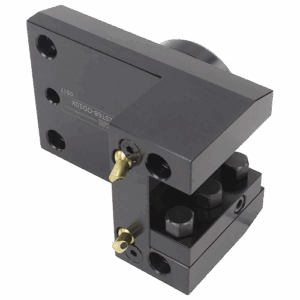 Bolt-mounting refers to the method of attaching static tools to the tool turret of the CNC machine. The tools are secured firmly in place using bolts or screws, ensuring stability during machining operations.
Static tools that are bolt-mounted offer several advantages:
- Stability: The bolt-mounting method ensures that the static tools remain securely fixed in position, minimizing vibrations and enhancing machining accuracy.
- Durability: The secure attachment provided by bolt-mounting helps prevent tool movement or deflection during machining, thereby increasing tool longevity.
- Compatibility: Bolt-mounting static tools are compatible with a wide range of CNC machines that utilize turret-based systems. They can be easily installed and replaced as needed.
Static Tools – VDI (Verein Deutscher Ingenieure or Association of German Engineers)
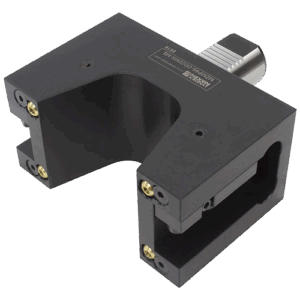 Traditional cutting tools that are mounted on the tool turret of a CNC machine using the VDI tooling interface standard. VDI is a standardized interface system predominantly used in Europe for tooling in CNC turning centers and lathe machines. Unlike live tools, static tools do NOT have rotational capabilities or the ability to perform additional operations beyond their fixed position.
Static tools within the VDI system offer several advantages:
- Interchangeability: The VDI standard ensures interchangeability of tooling across different machines and manufacturers that adhere to the VDI standard. This allows for easy replacement and compatibility between various tools and machines.
- Tool Repeatability: The precise design of VDI toolholders ensures repeatability in tool positioning, resulting in consistent machining accuracy.
- Quick Tool Changes: The standardized interface facilitates rapid tool changes, reducing setup time and increasing machine productivity.
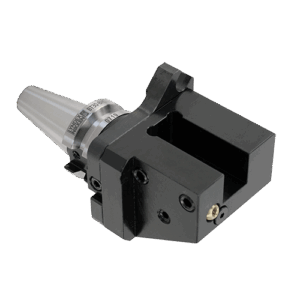 Static Tools – Turret Specific
Offered for a multitude of machine builders to maximize the capabilities of each CNC machine equipped with turrets, offering increased flexibility, efficiency, and productivity in machining operations.
Whether using PSC polygonal, bolt-mount, VDI, or turret-specific configurations, static tool interfaces are key components that contribute to the reliability and performance of CNC turning centers and lathes. Understanding the distinctions between these interfaces helps manufacturers choose the best solution for their specific machines and applications. With the right static tooling setup, shops can achieve higher accuracy, improved tool life, and greater efficiency.
For more information or to search for products: live and static tools, PSC Polygonal tooling system, solutions for turning centers